Asbestos considerations for Livermore homes
Post-war and 1970s homes
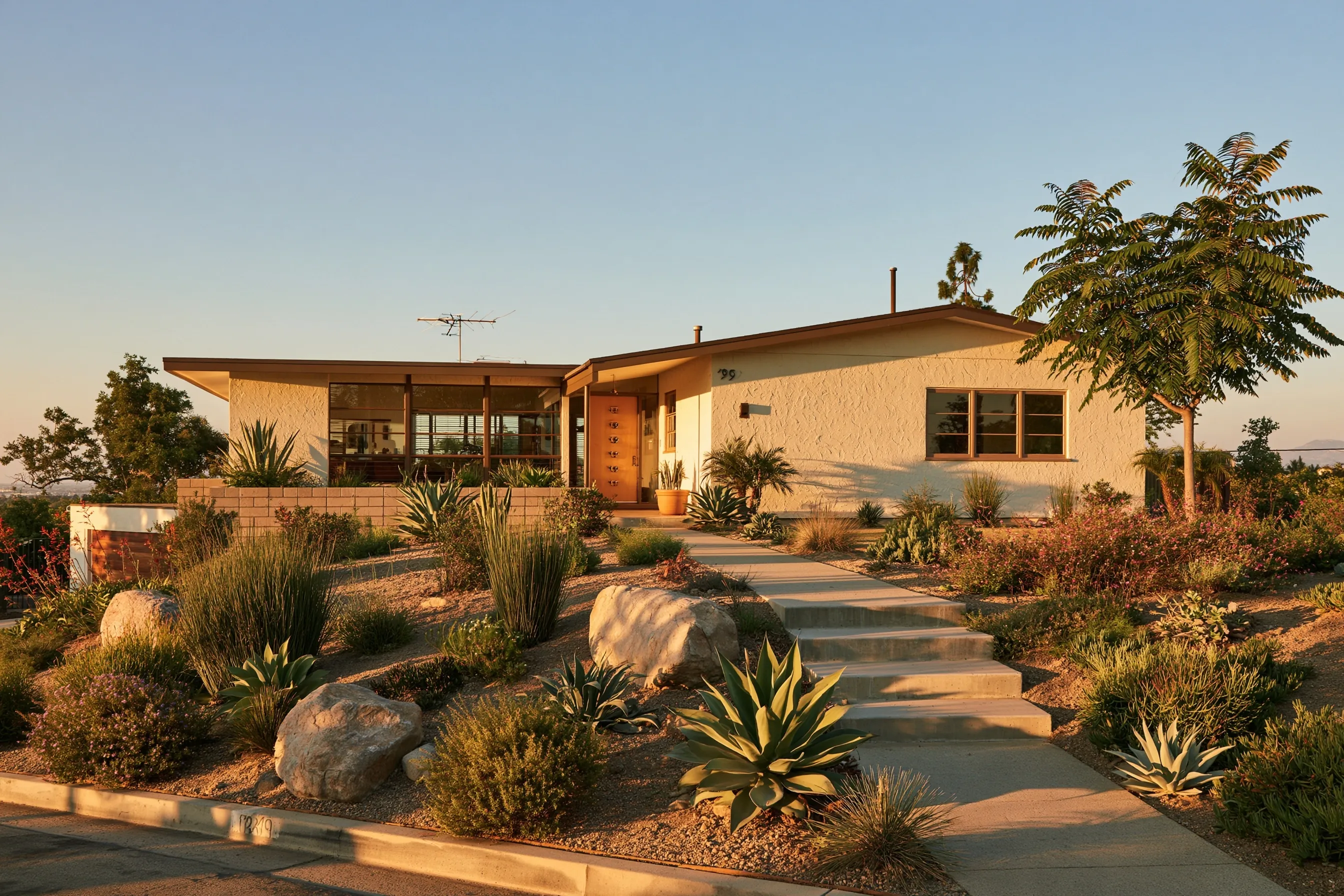
Livermore stayed largely agricultural until World War II. The Navy built Livermore Naval Air Station in 1942, the site became Lawrence Livermore National Laboratory in 1952, Sandia's California site followed in 1956, and the population roughly tripled between 1970 and 2000. That history left about 15,300 homes from the 1950s, 1960s and 1970s by Census estimates, against roughly 10,900 in Pleasanton and 4,700 in Dublin. For a remodel in one of those houses, plan on sampling at least one of the district's five listed materials.
Ranch properties and outbuildings
Barns, sheds, pump houses and garages on rural and vineyard parcels may have cement-board siding, corrugated cement roofing or old roll roofing. Intact asbestos-cement products are Category II materials and are not regulated while they stay whole, but the district treats demolition of any structure containing them as turning them into regulated material. Taking down a load-bearing outbuilding also needs a demolition notification, even if nothing tests positive.
Planning a Livermore asbestos project
Three questions shape a Livermore project. How many units does the building have? Up to four, and the owner may sample the five listed materials; five or more, or commercial, and a DOSH-certified consultant surveys everything suspect. How much regulated material will come out? At 100 square feet, 100 linear feet or 35 cubic feet, or for any dry removal, Bay Area AQMD needs notice ten working days ahead. Is anything load-bearing being demolished? Then notice is needed regardless of asbestos.
Homes of four or fewer units can shorten the notice to 72 hours by paying the district's added fee. Waste is classified before it leaves the site: friable material at 1% asbestos or more is hazardous waste under California rules and travels with a waste shipment record, while intact nonfriable debris is accepted on the landfill's own conditions. If a vineyard harvest, a tenant or the weather moves the start, the J# dates have to be revised with the district no later than the original start date, because the district treats those dates as firm.
Frequently asked questions
Do I need a J# to demolish a barn or shed in Livermore?
If the barn or shed is a load-bearing structure, the district requires notice before demolition even when no asbestos is present, and the accepted notice is your Demolition J#. The district does not issue exemption letters, so check with it before starting if you are unsure whether a small structure qualifies. Where a city or county demolition permit is needed, the J# is usually part of that application.
Can I sample my own Livermore house for BAAQMD?
Yes, for a single-family home or a building of up to four units. The district's FAQ lets the owner sample and test suspect materials instead of hiring a certified consultant, and the samples go to a laboratory, with polarized light microscopy among the most common methods. Because taking a sample disturbs the material, many owners have a Cal/OSHA-certified asbestos consultant do it.
Is transite siding regulated if left in place?
Not while it is intact. BAAQMD treats asbestos-cement (transite) siding and roofing as Category II nonfriable material, which is not regulated asbestos-containing material in good condition. Cutting, sanding, breaking, dropping it from height or demolishing the building makes it regulated, with the containment, notification and disposal rules that follow.
Where does asbestos waste from a Livermore job go?
It depends on the material. California's Department of Toxic Substances Control classes friable waste containing 1% or more asbestos as hazardous waste, so it is sealed, labeled and carried by a licensed hazardous waste transporter to a site that accepts it, with a waste shipment record that comes back signed. Intact nonfriable bulk waste is not hazardous under DTSC rules, though the landfill and hauler can still set conditions. Uncertain material is tested by an ELAP-accredited laboratory.
How is a Livermore asbestos job priced?
By scope rather than by the house. Pricing follows the materials that test positive and their quantities, crawlspace and attic access, the number of flooring or wall layers, any outbuilding demolition, and the waste class. An older ranch property with several buildings is usually quoted building by building once the survey or lab results are in.
Back toward Dublin, Pleasanton's housing peaked in the 1980s, with nearly 7,000 homes from that decade, and its business parks add office renovation to the mix; read about asbestos removal in Pleasanton for that side of the Tri-Valley. The main Dublin CA Asbestos Removal page lists every material we handle.